Tabletop gaming has experienced a massive resurgence as players seek out more interactive and intellectually stimulating forms of entertainment. Beyond simple amusement, certain tabletop challenges serve as excellent tools for sharpening your strategic thinking and spatial awareness. Immersing yourself in these structured environments allows you to practice dynamic planning and build mental resilience under pressure.
The Calculations of Modern Card Games
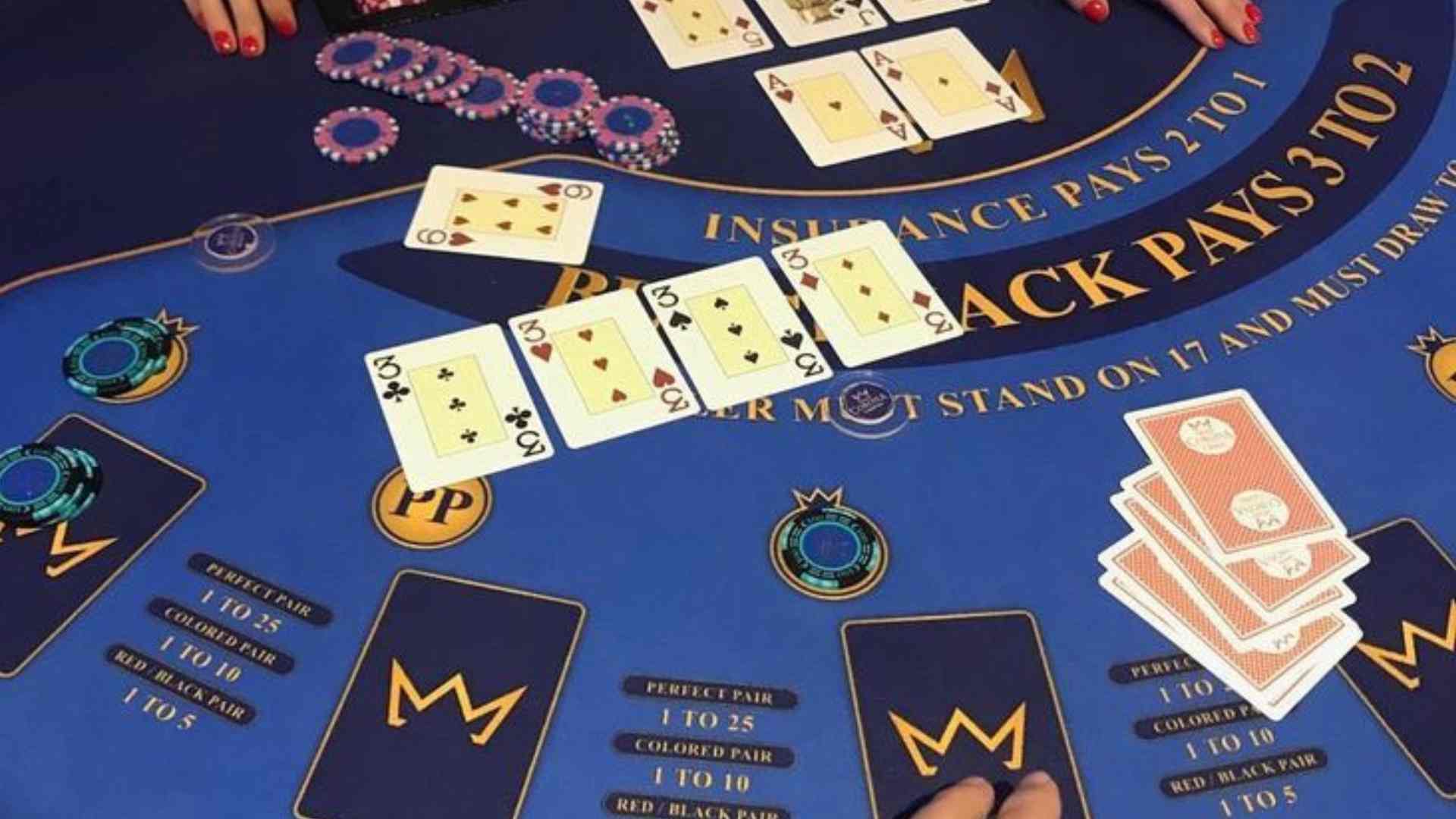
Many traditional and modern card games rely heavily on probability, risk assessment, and behavioral observation to achieve success. Players must continuously calculate their potential odds while anticipating the hidden strategies of their opponents at the table. This constant evaluation helps build strong cognitive agility and refines your overall decision-making processes.
For individuals looking to sharpen their strategic foresight in an engaging online setting, finding a reliable platform is incredibly useful. You can explore a variety of gaming options by visiting the M88 link alternatif to practice your analytical approaches in real time. Starting with simple sessions allows you to slowly master complex rules without facing unnecessary pressure.
Strategic Board Games and Spatial Reasoning
Classic board setups like Chess and Go have served as the ultimate testing grounds for tactical planning for thousands of years. These games leave absolutely no room for luck, forcing players to rely entirely on forward thinking and deep pattern recognition. Every single movement on the board requires you to evaluate immediate threats while preparing a long-term defense.
Engaging in these intense face-to-face battles helps players learn how to anticipate an opponent's response multiple turns in advance. This structured approach to problem-solving naturally translates into better organizational skills and improved situational awareness in daily life. Regularly facing diverse opponents ensures that your tactical mind remains highly adaptable and sharp.
Cooperative Challenges and Team Coordination
In contrast to head-to-head competition, modern cooperative board games demand high levels of collaborative planning and collective resource management. Players must pool their individual skills to defeat game-controlled systems that present evolving challenges. This dynamic setup encourages open communication and teaches players how to delegate roles effectively based on unique strengths.
Succeeding in cooperative environments requires participants to coordinate their moves precisely to prevent small setbacks from turning into major defeats. These shared tabletop experiences foster deep mutual trust and highlight the massive value of cohesive teamwork. It is a fantastic way to enjoy deep strategic depth while strengthening social bonds with friends.