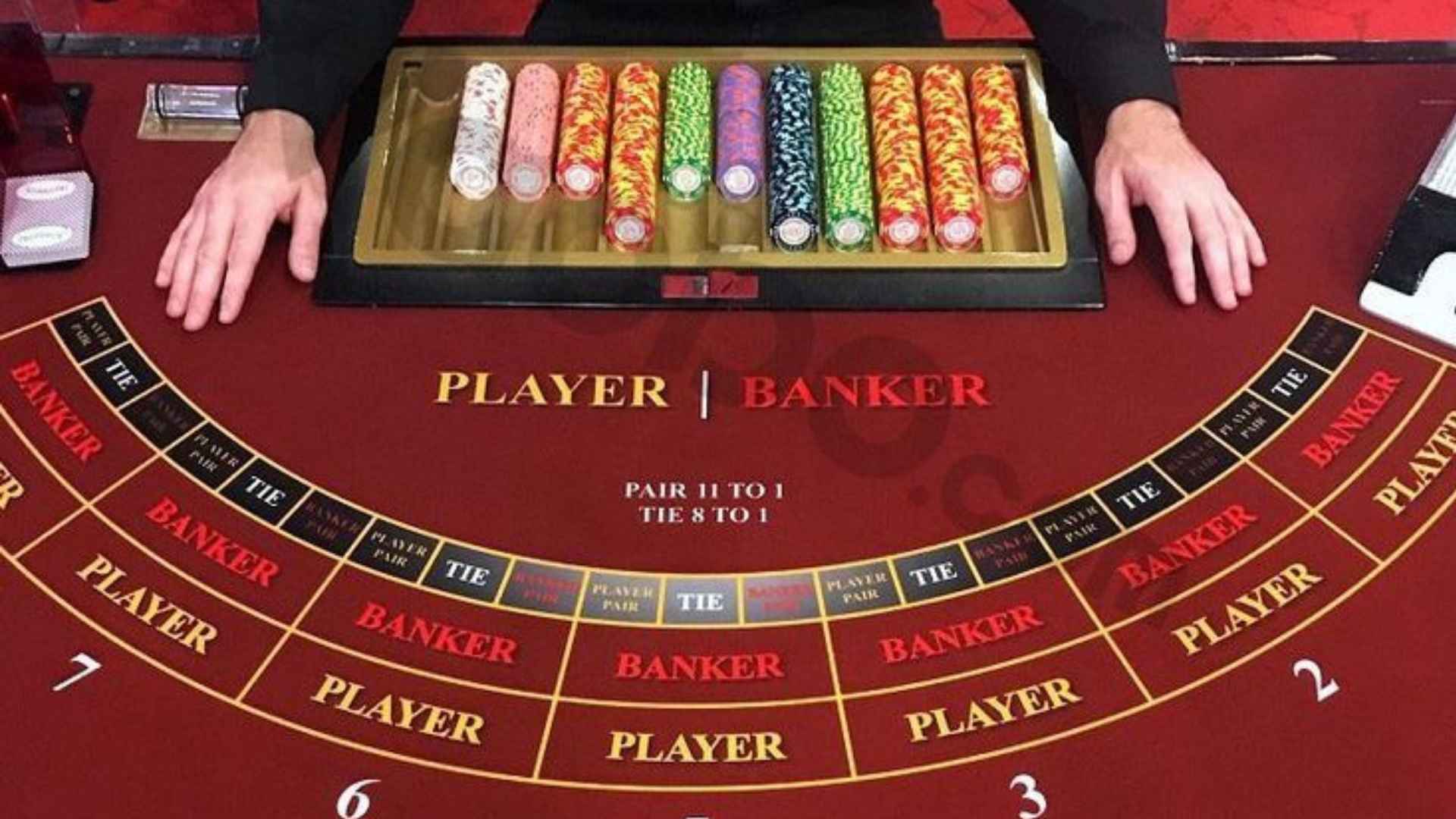
Interactive gaming has experienced a profound shift over the last few decades, moving from rigid linear progression toward dynamic reward frameworks. Modern game designers rely heavily on elements of surprise to transform routine player actions into memorable milestones. By incorporating unexpected prizes, digital experiences maintain a heightened sense of anticipation that keeps audiences thoroughly invested.
The Transition from Linear Growth to Dynamic Incentives
Early video games relied primarily on static achievements where players knew precisely what reward awaited them after completing a specific task. While this structured approach built a clear sense of order, it often led to predictable gameplay loops that lost their initial charm over long sessions. Modern mechanics address this limitation by integrating variable outcomes into standard achievement systems.
By introducing random drop rates and hidden bonuses, developers foster an environment rich in discovery. Players remain eager to explore virtual spaces when they realize that any action could trigger an unannounced benefit. This shift has fundamentally changed how progression is designed across diverse gaming genres.
Psychological Drivers Behind Unexpected Player Rewards
The thrill of receiving an unannounced prize taps directly into core psychological principles of human motivation and engagement. When an outcome is not entirely guaranteed, the brain experiences a stronger emotional reaction upon uncovering a valuable item. This unexpected emotional reinforcement creates lasting positive associations with the game itself.
Furthermore, uncertainty helps prevent routine fatigue during extended gameplay sessions. Players who access modern interactive platforms, such as through an m88 slot login, frequently experience how variable prize mechanics elevate standard gaming routines. Balancing predictability with delightful surprises ensures that players remain motivated to test new strategies and explore further.
Balancing Chance with Fair Progression Systems
While surprise rewards inject excitement into digital titles, designers must carefully balance luck with meaningful player effort. Over-relying on chance can frustrate dedicated individuals who prefer skill-based progression over random luck. Effective game architecture typically combines guaranteed milestones with occasional unexpected perks to protect the overall user experience.
Implementing safety nets, such as bad luck protection or escalating odds, allows players to enjoy the thrill of surprise without feeling unfairly penalized. This thoughtful balance fosters long-term trust between developers and their player base. When players feel that their time is respected, unexpected bonuses serve as genuine highlights rather than artificial hurdles.
The Future of Adaptive Game Design
As technology continues to advance, reward structures are becoming significantly more intelligent and personalized. Modern systems are increasingly capable of analyzing player habits to deliver tailored incentives that match individual preferences. This dynamic adaptation ensures that challenges and prizes remain relevant to each player's unique journey.
Ultimately, the evolution of surprise rewards reflects a deeper understanding of interactive design and user engagement. By continually refining how variable mechanics are integrated, the gaming industry continues to create richer, more immersive digital adventures for players worldwide.