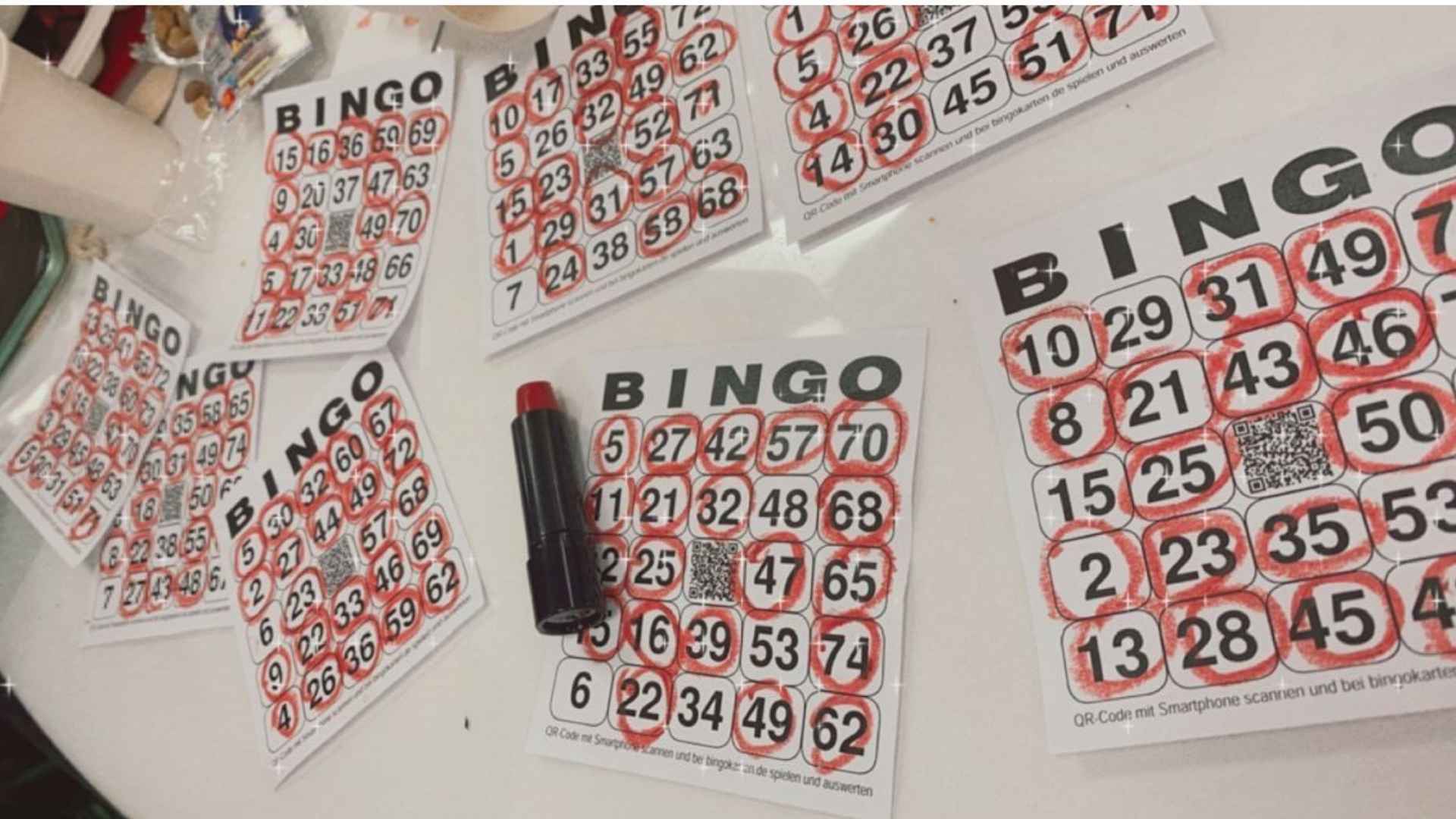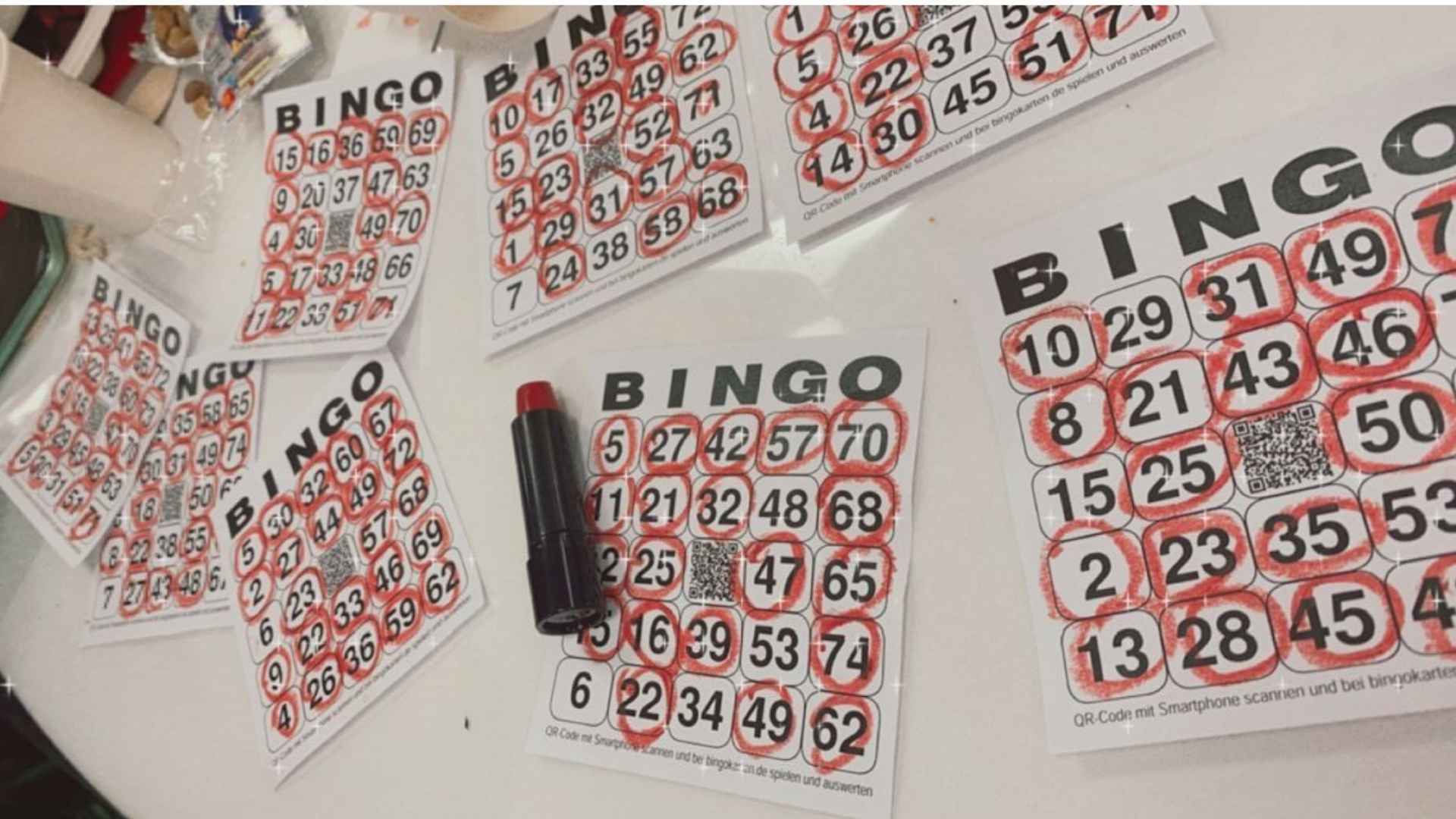
Engaging the human brain with structured mathematical uncertainties has emerged as a highly effective method for fostering mental adaptability and strategic thinking. By confronting scenarios where outcomes are not fully guaranteed, individuals are forced to move past rigid thinking patterns and embrace dynamic reasoning. These analytical practices provide a unique framework for personal growth, making complex decision-making processes much more intuitive over time.
The Connection Between Statistical Risk and Mind Agility
When individuals participate in calculated probability puzzles, they are actively training their minds to evaluate potential risks rather than relying on emotional intuition. This shift from gut feelings to structural assessment encourages the development of the predictive processing capabilities within the human brain. Over time, consistent exposure to these statistical exercises allows the mind to build stronger connections that aid in rapid pattern recognition.
Furthermore, navigating complex outcomes teaches the brain to handle ambiguity with greater emotional control and analytical poise. Instead of viewing unexpected occurrences as frustrating disruptions, modern learners begin to perceive them as shifting variables within a larger system. This mental flexibility is highly valuable in both educational environments and high-stakes professional landscapes where situations change rapidly.
Enhancing Executive Function Through Dynamic Mechanics
Probability puzzles serve as excellent tools for strengthening core executive functions, including working memory and cognitive flexibility. When calculating shifting variables, individuals must hold multiple potential outcomes in their minds simultaneously while planning their subsequent steps. This intense cognitive workout effectively expands mental processing capacity and refines general logical skills.
Many digital systems leverage these exact mathematical frameworks to create immersive and deeply interactive learning environments. If you want to see how modern interfaces balance randomness with strategic choice, checking out a platform like the M88 link alternatif can provide clear insights into algorithmic predictability. Observing these systems firsthand helps learners better comprehend the practical application of mathematical models in structured entertainment.
Developing Long-Term Inductive Reasoning Skills
Regular interaction with chance-based activities significantly improves an individual's inductive reasoning, which is the ability to derive broad principles from specific observations. By tracking the frequencies of diverse outcomes across multiple rounds, the mind naturally begins to form accurate statistical expectations. This helps dismantle common psychological misconceptions, such as the classic gambler's fallacy, by grounding decisions in mathematical reality.
As these reasoning skills mature, individuals become much more proficient at evaluating real-world uncertainties, such as financial risks or everyday logistical choices. They learn to replace absolute assumptions with flexible percentage-based thinking, which minimizes the likelihood of making rash, uninformed choices. Ultimately, this structural mindset promotes a more calculated and deeply analytical approach to solving complex problems.
Practical Exercises for Cognitive Development
Integrating simple probability challenges into daily routines does not require advanced degrees or incredibly dense mathematical textbooks. Basic activities involving card combinations, complex dice mechanics, or digital strategy exercises offer immediate access to these cognitive benefits. The key to maximizing mental growth lies in focusing entirely on long-term outcome tracking rather than immediate results.
Treating these analytical puzzles as a form of educational entertainment ensures that the learning process remains highly engaging and completely stress-free. As participants grow more comfortable with mathematical uncertainties, they develop a profound sense of confidence in their own analytical capabilities. Embracing the unpredictable nature of these challenges transforms theoretical math into a highly functional tool for lifelong mental sharpness.