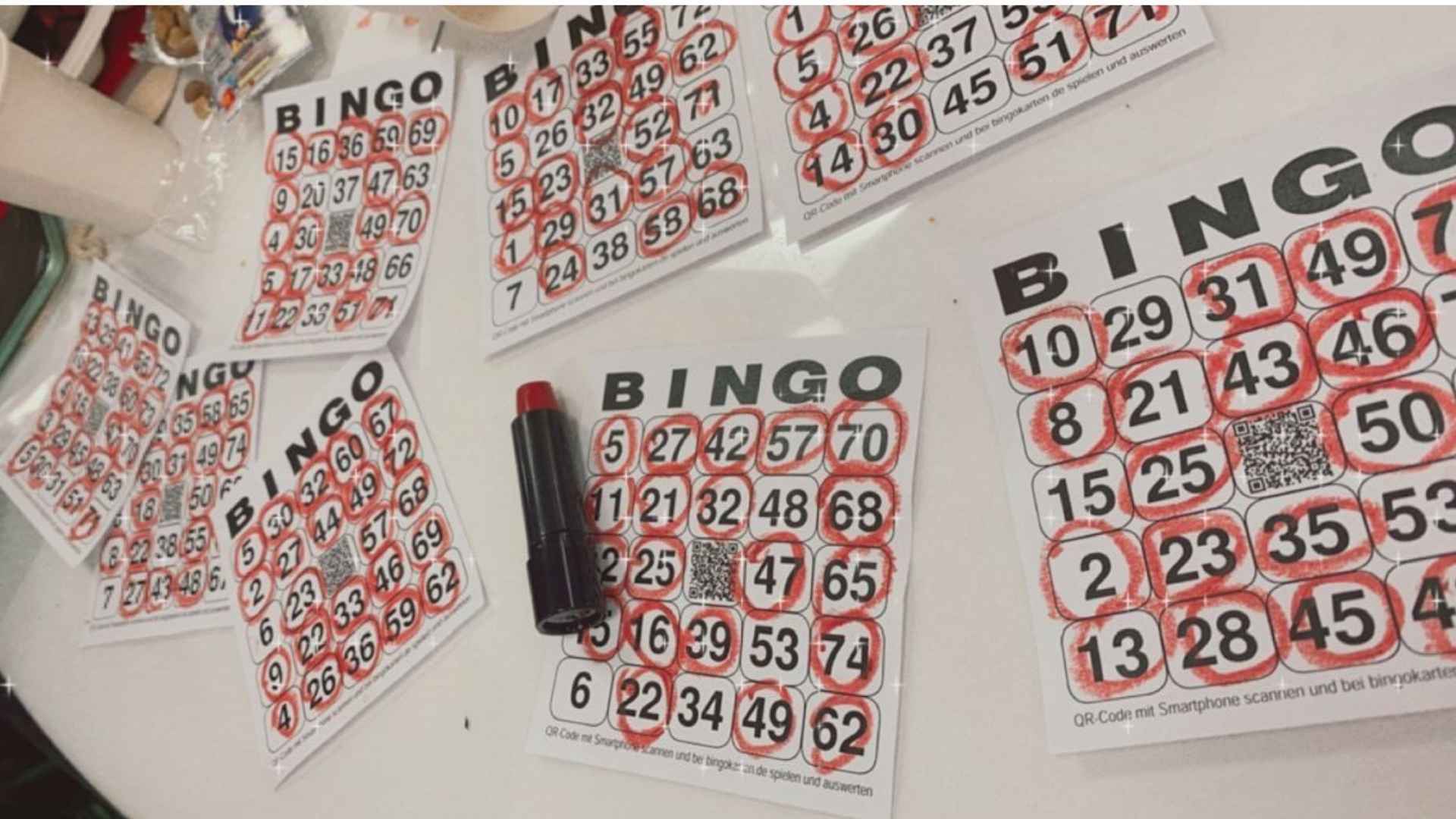
The human brain possesses an incredible capacity for lifelong adaptation and skill acquisition, provided it receives the right kind of systematic stimulation. In recent years, researchers and educators have shifted their attention toward structural numerical puzzles as accessible tools for fostering sustained intellectual development. Rather than acting as mere temporal distractions, these activities challenge individuals to refine their analytical capabilities and cultivate robust cognitive architectures.
The Connection Between Numerical Logic and Cognitive Pathways
Engaging regularly with systematic number challenges activates the prefrontal cortex, which serves as the control center for critical thinking and working memory. When players evaluate complex sequences or attempt to satisfy strict mathematical grid layouts, they force their minds to perform intricate spatial and logical deductions. This ongoing exercise strengthens neural networks, thereby improving overall processing speed and information retrieval capacities.
Furthermore, these exercises encourage a disciplined approach to everyday problem-solving by replacing arbitrary guesswork with methodical analysis. As a player learns to deduce hidden rules and navigate strict systemic limitations, they naturally expand their capacity for logical precision. This structured method of thinking directly applies to academic pursuits and data-heavy professional tasks.
Developing Strategic Resilience and Spatial Awareness
Many modern platforms provide highly interactive landscapes where adults and younger audiences alike can safely experiment with advanced problem-solving methodologies. Exploring specialized digital communities like M88.com offers valuable insights into competitive gameplay mechanics, statistical probabilities, and community-driven tactical strategies. Immersing oneself in these diverse intellectual formats ensures that the cognitive learning process remains engaging and continuously progressive.
Beyond basic arithmetic, advanced number puzzles introduce elements of spatial orientation, combinatorics, and probability theory that require long-term planning. To arrive at a successful solution, a participant must anticipate the compounding consequences of each choice across the entire system. This predictive pattern recognition builds an exceptionally strong mental framework for managing intricate, real-world variables.
Long Term Protective Benefits for Mental Vitality
Clinical studies suggest that sustaining high levels of mental activity through structured logic challenges acts as a powerful buffer against early cognitive decline. By presenting the brain with novel variations and complex numerical relationships, individuals can effectively build a deeper cognitive reserve. This psychological resilience helps the mind preserve its sharp analytical functions even as the human body ages naturally.
Additionally, successfully deciphering a demanding logical arrangement triggers a natural release of dopamine, which naturally elevates mood and lowers daily stress. Integrating these minor intellectual workouts into a standard daily routine provides a perfect equilibrium between proactive mental sharpening and genuine relaxation. The steady journey toward puzzle mastery rewards dedicated participants with enhanced focus, emotional patience, and lasting cognitive growth.