Sic Bo is an ancient casino game that relies on the unpredictable combinations of three rolled dice. While randomness strictly dictates the final outcome of each shake, developing sharp table habits can transform how a newcomer approaches the complex betting grid. Becoming an attentive spectator before placing any chips allows players to build a deeper familiarity with the flow of live sessions.
Analyzing the Mechanics of the Board
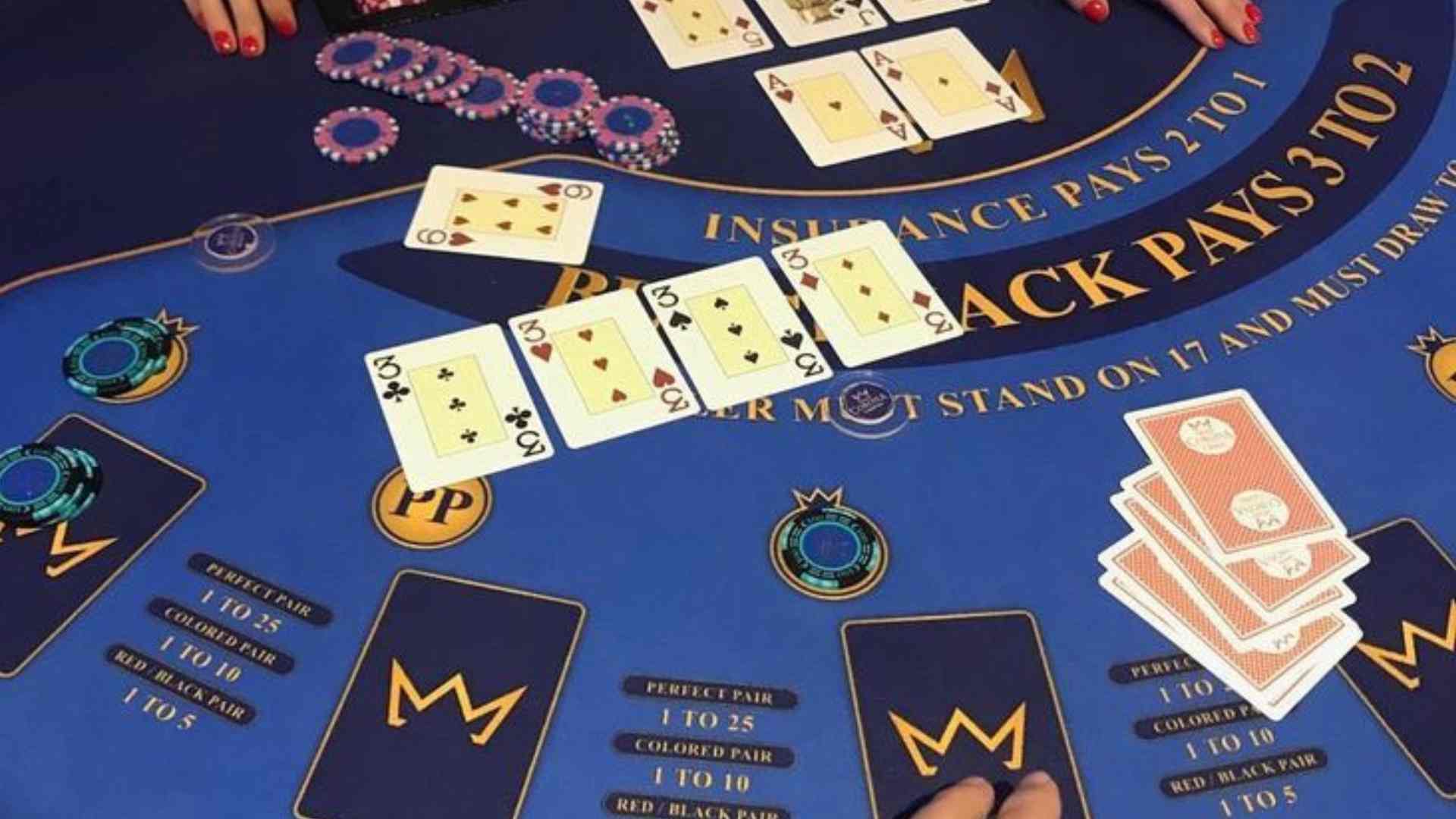
Walking up to a digital or physical gaming table can initially feel overwhelming due to the geometric design and various payout structures. By taking a step back and watching multiple rounds unfold, you can naturally decode how the layout categorizes different types of wagers. This passive approach provides clarity without the pressure of active financial risk.
Observing how dealers manage the glass container helps players adapt to the timing of live environments. Dedicating initial moments to pure tracking helps individuals comprehend the mathematical probabilities printed across the board surface. It allows you to distinguish steady options from high-stakes combinations with ease.
Recognizing the Illusion of Dice Patterns
Many participants mistakenly believe they can anticipate future results by carefully tracking history displays during a session. Developing professional observation skills means understanding that every single roll represents a completely independent event. Spotting these tendencies prevents players from falling victim to common cognitive biases like the gambler's fallacy.
Instead of searching for non-existent trends, analytic players focus on managing variance and preserving their capital. Utilizing reliable alternative access options like an M88 link alternatif can provide an exceptional digital platform to study active gameplay safely. Watching how mathematical probabilities manifest over time reinforces realistic expectations during live rounds.
Evaluating Player Behaviors and Bankroll Habits
Keen observers can learn valuable lessons simply by watching how experienced participants manage their funds at the table. Noting the differences between structured low-risk methodologies and emotional choices offers deep operational insights. You can quickly see how disciplined routines protect capital during prolonged sessions.
Watching other enthusiasts navigate sudden shifts in luck highlights the importance of keeping emotional restraint. Witnessing how swift losses deplete unmanaged bankrolls serves as a powerful reminder to set strict personal boundaries. This careful evaluation builds foundational confidence before you ever place a single wager.
Transitioning from Tracker to Active Player
Once you have spent sufficient time tracking the layout dynamics, applying these insights becomes much more straightforward. You can approach the board with an established roadmap that fits your specific entertainment goals. This strategic mindfulness turns an intimidating game of pure luck into a highly organized activity.
Ultimately, sharpening your tracking capabilities ensures a sustainable and respectful relationship with casino gaming structures. Prioritizing patience over impulse allows beginners to enjoy the fast-paced action responsibly over the long term. True mastery of the table environment begins with your ability to watch, learn, and act deliberately.