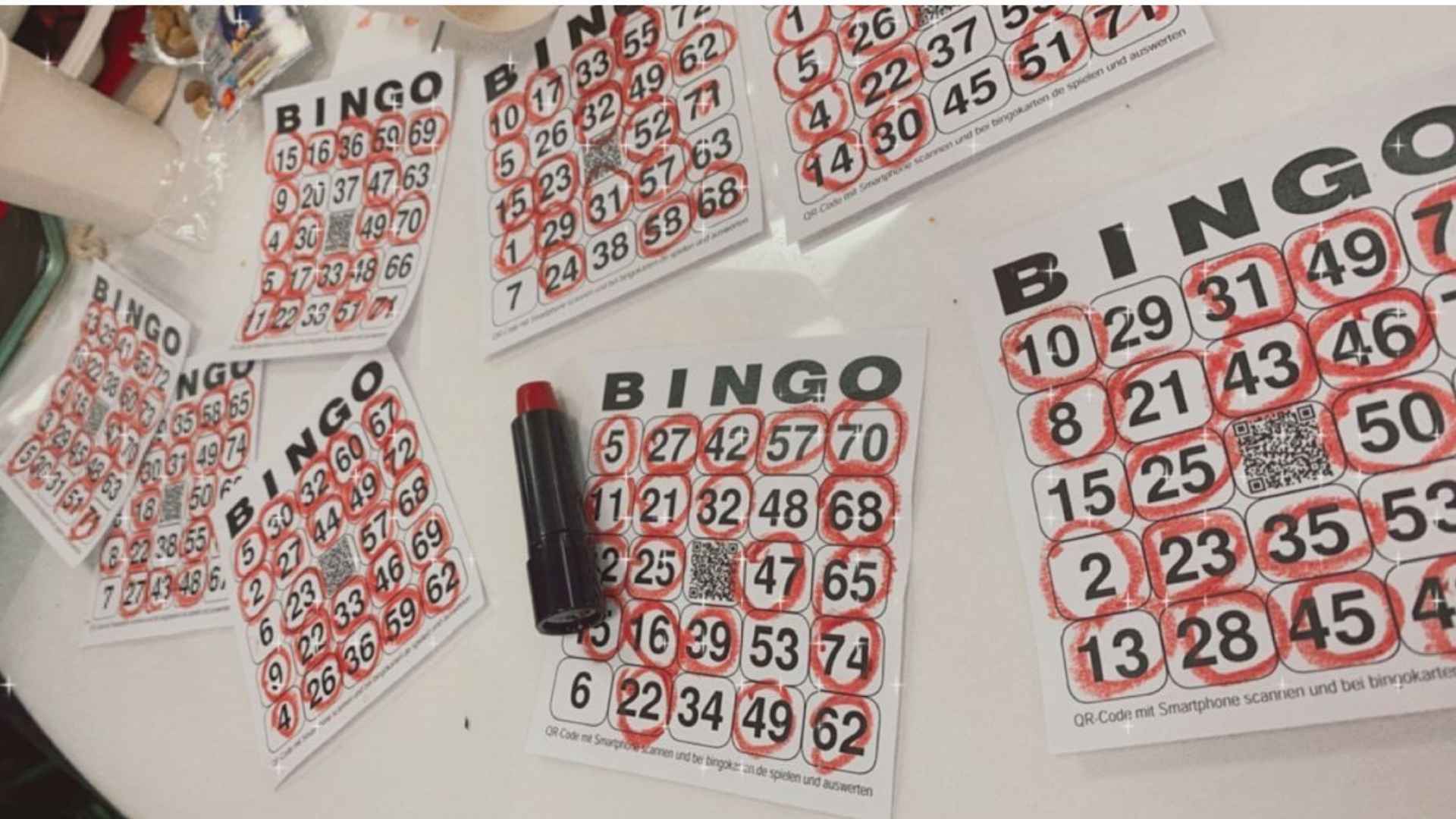
Purchasing a lottery ticket at the very last minute can be an exciting experience, but missing the cut-off time by just a few seconds means waiting for the next drawing. Every lottery game establishes strict sales deadlines to maintain game integrity and process ticket entries fairly. Understanding these timing rules helps players avoid disappointment and ensures their entries are properly registered for the upcoming drawing.
How Lottery Cut-Off Times Function
Lottery sales deadlines, often referred to as cut-off times, are established by official gaming authorities to freeze ticket sales before winning numbers are chosen. This pause allows central computer systems to aggregate all entry data and calculate the final prize pool total. Depending on the jurisdiction and specific game, this window typically closes anywhere from fifteen minutes to an hour prior to the actual draw.
During this brief shutdown period, no new tickets can be issued for the immediate drawing. Any purchase attempted after the deadline automatically rolls over into the subsequent draw cycle. This strict operational buffer protects the fairness of the game by preventing fraudulent entries after numbers are generated.
Differences Between In-Store and Online Deadlines
Buying a physical ticket at a convenience store involves retail terminal limitations that match local state or regional rules. Terminal clocks are synchronized with central lottery servers, meaning sales shut down precisely at the designated minute regardless of store operating hours. Long retail lines right before a drawing can easily cause hopeful participants to miss the official cut-off time.
Digital platforms and official lottery mobile apps offer added convenience, but they still operate under rigid timing schedules. Some digital lottery services close sales a few minutes earlier than physical counters to process transactions securely. Players seeking modern entertainment options often compare platforms, similar to how users evaluate gaming sites like m88 for service reliability and timing accuracy.
Time Zone Considerations for Major Draw Games
National games like Powerball or Mega Millions span multiple time zones, making cut-off times appear different depending on your location. While the central drawing occurs at a fixed time in one location, local retail terminals close according to regional time zone adjustments. Players traveling across state lines should always double-check local cutoff rules to ensure their tickets qualify for that night's jackpot.
Additionally, state-specific games have their own independent schedules that do not align with national multi-jurisdictional draws. A local daily pick game might have a cut-off time just minutes before its draw, while larger games require longer processing windows. Checking the official lottery website for your specific state remains the most dependable way to verify precise cut-off deadlines.
Best Practices for Last-Minute Ticket Buyers
To avoid missing out on a major drawing, players should aim to buy their tickets well in advance of the advertised deadline. Waiting until the final ten minutes increases the risk of technical glitches, terminal delays, or payment processing holds. Setting reminders on your phone can help you purchase tickets earlier in the day.
If you prefer buying tickets online, ensure your account retains sufficient funds before the cutoff approaches. Mobile network delays during peak drawing hours can occasionally slow down ticket generation. Planning ahead guarantees that your selected numbers are safely logged in the system before the draw closes.