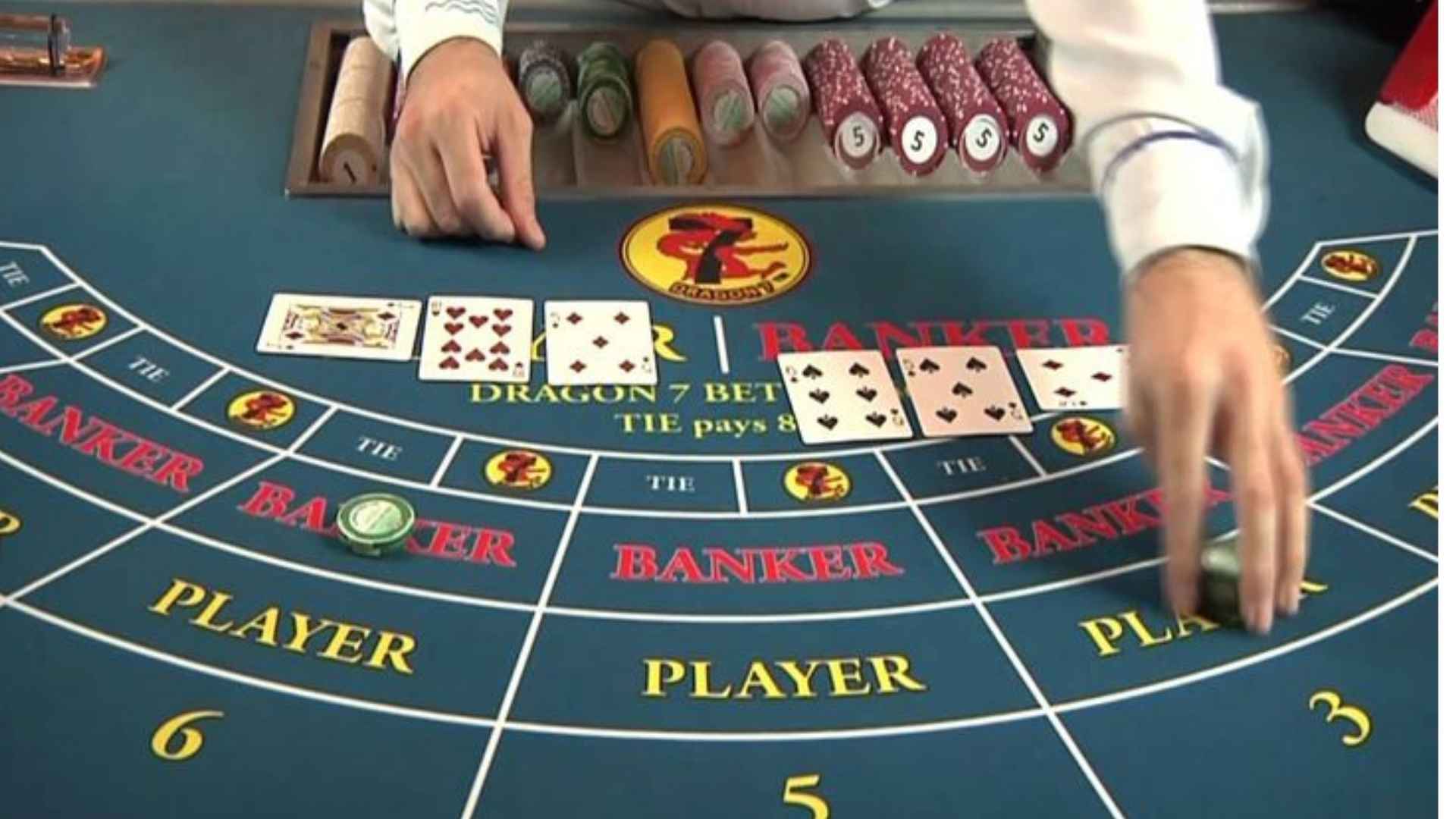
Developing strong board awareness in Solitaire is essential for turning casual card flipping into a strategic, high-win activity. While many beginners focus purely on immediate visible matches, experienced players cultivate a broader perspective that encompasses every section of the playing field. Elevating your situational perception allows you to anticipate future bottlenecks and make decisions that preserve maximum flexibility.
Scanning the Tableau Before Making Moves
Before touching a single card from the stockpile, perform a complete visual scan of the entire tableau. Take note of hidden card depth, key face-up values, and potential King suit placements that could unlock major columns. Exercising initial patience ensures you do not overlook easy, high-priority moves hiding in plain sight.
Evaluating column lengths helps identify which stacks contain the highest concentration of concealed cards. Uncovering these hidden cards early expands your options and provides vital momentum. By training your eyes to spot hidden potential across the board, you immediately gain better control over the game.
Tracking Stockpile Sequence Flow
A common pitfall in card gaming is cycling through the stockpile without active mental tracking. Rather than grabbing every playable card right away, observe how the cards are ordered and how drawing one affects those beneath it. Recognizing these sequence patterns prevents you from prematurely disrupting useful card pairs.
Understanding stock rotation allows you to plan several turns in advance with impressive precision. Players seeking to sharpen their observational skills often explore gaming analysis on boss toto to study systematic approaches to probability and decision-making. Developing this disciplined habit keeps your stockpile working for you rather than against you.
Evaluating Foundation Moves vs Tableau Mobility
Moving cards directly to the foundation piles feels like immediate progress, but it can sometimes restrict your tableau maneuvering. Always consider whether a card heading upward might be required down below to bridge two unorganized columns. A temporary hold on foundation progress often keeps important sequence paths fully open.
Maintaining balance between foundation growth and board flexibility requires constant risk assessment. If sending a card to the foundation eliminates your only landing spot for an incoming card, delay the move. Cultivating this dual focus ensures you retain optimal mobility throughout the middle phase of the match.
Anticipating Deadlocks and Adapting Strategy
True game awareness involves identifying early warning signs of an impending deadlock. When column options begin narrowing and suit variation becomes uneven, it is time to pivot your tactical approach. Learning to recognize structural blocks early gives you time to re-route cards before all choices vanish.
Adapting your play style based on real-time board conditions is the hallmark of a skilled player. By consistently evaluating your options, tracking deck distribution, and prioritizing long-term mobility, you can elevate your Solitaire performance. Building this level of strategic focus makes every deal a more engaging and rewarding mental challenge.